The nutritional value of food can vary depending on the form—fresh, frozen, canned, or dried. Here’s a ranked list, from most nutritious to least, generally speaking:
Fresh Food (Most Nutritious)
- Fresh fruits and vegetables picked at peak ripeness tend to have the highest nutrient content.
- However, nutrient levels may decline after a few days due to exposure to air, light, and temperature changes.
Fresh is best for: Vitamins, minerals, fiber, and antioxidants. If stored too long, fresh food may lose more nutrients than some frozen or canned alternatives.
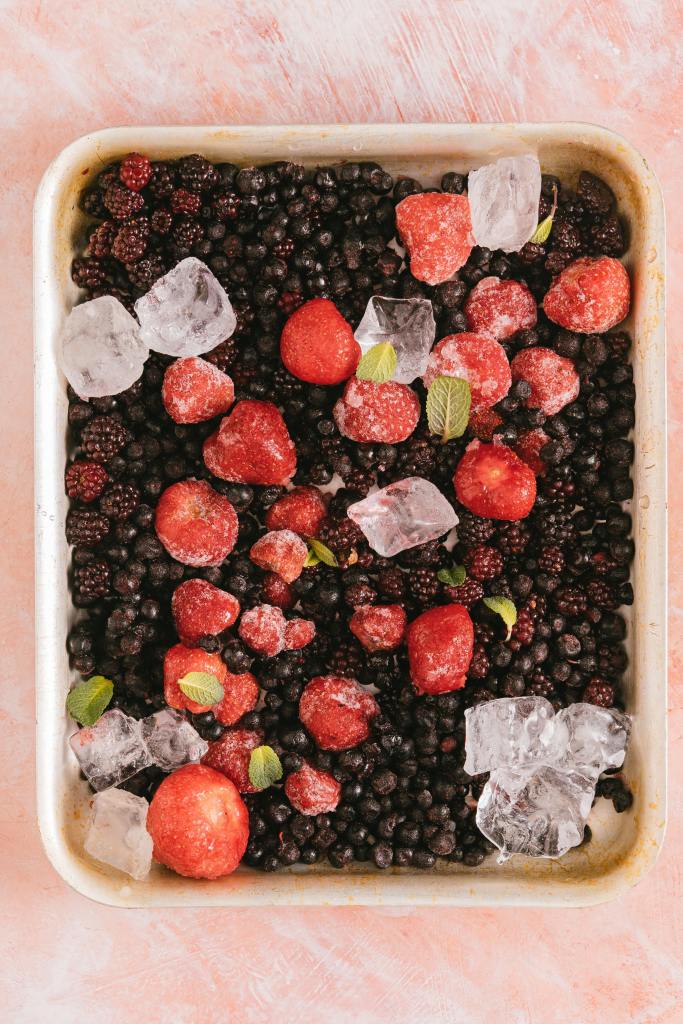
Frozen Food
- Typically frozen immediately after harvest, preserving most nutrients.
- Freezing locks in vitamins and minerals, although some water-soluble vitamins (like vitamin C and B vitamins) may slightly decrease.
Frozen is best for: Retaining nutrients over time, especially if stored properly. Watch out for added sauces, sugar, or sodium in some frozen products. Freeze your own from fresh!
Canned Food
- Canning involves heating, which can reduce some heat-sensitive vitamins like vitamin C.
- However, many canned foods retain fiber, minerals, and fat-soluble vitamins (like A, D, E, and K).
Canned is best for: Long-term storage with decent nutrient retention. Select low-sodium or no-added-sugar versions, as some canned foods may be high in salt or preservatives.
Dried Food
- Drying removes water, concentrating calories and sugar but reducing heat-sensitive vitamins.
- Dried fruits retain fiber and minerals but can be high in sugar.
- Dried vegetables may lose some nutrients but still offer fiber and antioxidants.
Dried is best for: Long shelf life and concentrated fiber. Be aware of added sugars or preservatives in some dried products. However, you can obtain quality, non-GMO, certified organic, freeze-dried foods. For your long-term food storage options, visit Health Ranger Store!
 abide & thrive