
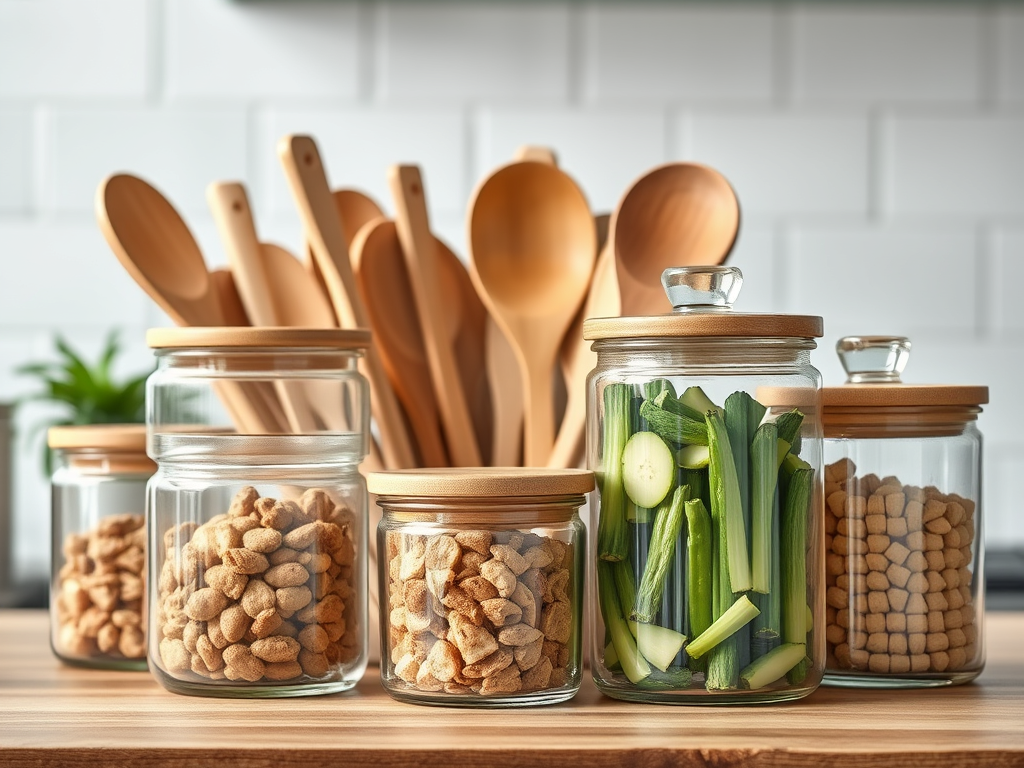
You might be surprised to learn that many everyday kitchen items contain or release harmful microplastics, posing significant health risks. According to a Swiss study, common household plastics like bottles, teabags, and cutting boards are among the top culprits.
1. Microplastics and their impact on health
Microplastics and nanoplastics, which are tiny plastic particles, can infiltrate our organs and cause harm. They have been linked to various health issues, including:
- Cancer: Microplastics can carry toxic chemicals that contribute to cancer development.
- Heart disease: Ingestion of microplastics may lead to inflammation and oxidative stress, increasing the risk of heart disease.
- Pregnancy risks: Exposure to microplastics has been associated with complications during pregnancy, such as low birth weight and preterm birth.
2. Sources of microplastics in the kitchen
Several kitchen items are known to release microplastics during normal use:
- Plastic bottles: The plastic used in bottles can shed particles, especially when exposed to heat or sunlight.
- Food containers: Microwaving and washing plastic containers can cause them to release microplastics.
- Teabags: Some teabags are made of plastic or contain plastic components, which leach into the tea during brewing.
- Cutting boards: Plastic cutting boards, particularly when scratched or worn, can release microplastics into food.
- Cooking utensils: Plastic non-stick kitchen utensils contain microplastics that can be harmful. Minimize exposure to harmful microplastics by selecting an alternative.
- Plastic wrap: Reduce your reliance on plastic wrap and minimize microplastic exposure, by considereriing eco-friendly alternatives.
- Baby bottles and feeding products: Even “eco-friendly” plastic products can leach toxins, exposing babies to these harmful substances.
3. Reducing exposure to microplastics
To minimize your exposure to microplastics in the kitchen, consider the following alternatives:
- Switch to glass, wood, or stainless steel containers for storing food and drinks.
- Use glass or stainless steel bottles for beverages and avoid exposing them to high temperatures or sunlight.
- Opt for loose-leaf tea or ensure teabags are made of natural materials without plastic components.
- Choose wooden or bamboo butting boards and cooking utensils instead of plastic ones.
- Avoid heating food in plastic containers and opt for glass or stainless steel alternatives when microwaving.
- Use Beeswax wraps: These reusable, sustainable wraps are made from cloth infused with beeswax, making them perfect for covering bowls, wrapping sandwiches, or storing leftovers. They can be washed and reused up to 100 times.
While regulations to control microplastic pollution are being developed, it’s essential to take precautions to protect your health. By being mindful of the plastics in your kitchen, you can reduce your exposure to these harmful particles and minimize potential health risks.
 abide & thrive