
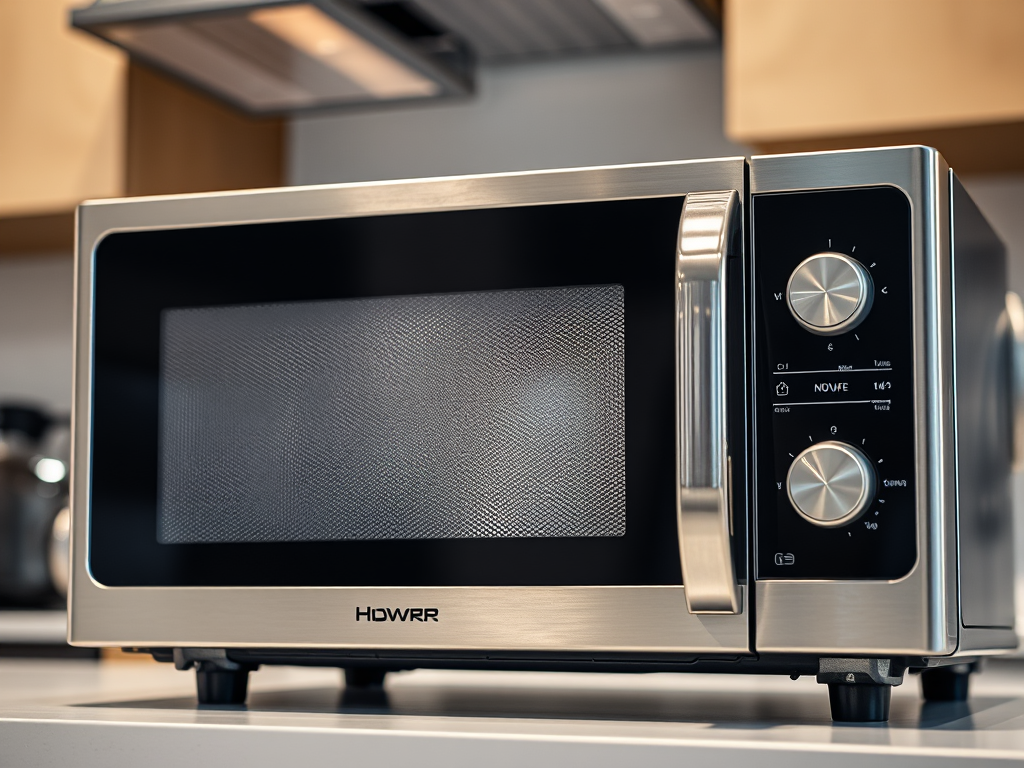
Microwaving food should be avoided due to several health and safety concerns. Here are some key reasons:
- Uneven Heating: Microwaves heat food unevenly, leading to hot spots and cold spots. This can result in uneven cooking and the potential for uneven nutrient loss or the formation of hot spots that can burn your mouth or cause discomfort.
- Nutrient Loss: Microwaving can cause significant loss of nutrients, especially water-soluble vitamins like B vitamins and vitamin C. This is due to the high heat and the fact that microwaves cause food molecules to vibrate, which can break down these nutrients.
- Plastic Contamination: Microwaving food in plastic containers or with plastic wrap can lead to plastic chemicals leaching into your food. These chemicals, such as BPA and phthalates, are endocrine disruptors and can have serious health implications.
- Formation of Harmful Compounds: Microwaving can cause the formation of harmful compounds. For instance, microwaving fatty foods can create toxic compounds called aldehydes, which have been linked to various health issues, including cancer.
- Superheating: Microwaves can superheat liquids, which means they get hotter than their boiling point without bubbling. This can lead to sudden and violent explosions when disturbed, posing a serious safety risk.
- Radiation Exposure: While the levels of non-ionizing radiation emitted by microwaves are low, there are still concerns about long-term exposure. The World Health Organization classifies microwaves as a Group 2B carcinogen, meaning they could potentially cause cancer.
Instead of microwaving, consider healthier cooking methods such as steaming, boiling, baking, or sautéing. For further exploration, visit NaturalNews.com for articles on healthy cooking methods and the dangers of microwaves.
 abide & thrive