Psalm 104: 14 He causeth the grass to grow for the cattle, and herb for the service of man: that he may bring forth food out of the earth;
In the realm of natural healing, herbs have long been revered for their therapeutic properties. Beyond their chemical compositions, an intriguing aspect of herbs that scientists are beginning to explore is their unique healing frequencies. These frequencies, which exist on a nonlocal scale, play a crucial role in the healing process. Here, we delve into the fascinating world of herbal frequencies and explore the healing potential of some remarkable herbs.
Understanding Nonlocal Frequencies
Nonlocal frequencies, also known as scalar waves or longitudinal waves, are a type of energy that cannot be measured using conventional physics. They operate outside the confines of time and space, allowing for instantaneous communication and healing at a distance. Herbs, being part of nature, are imbued with these nonlocal frequencies, which contribute to their healing properties.
The Science Behind Herbal Frequencies
Researchers like Dr. Leonard Horowitz and Dr. Pankaj J. Patel have explored the healing frequencies of herbs and other natural substances. Their work suggests that these frequencies may be responsible for the healing effects we experience when using herbs for various ailments. Here are a few examples of herbs and their purported healing frequencies:
- St. John’s Wort (Hypericum perforatum)
- Frequency: 528 Hz
- Healing Properties: Known for its antidepressant and anti-inflammatory effects, St. John’s Wort is also believed to help with anxiety, insomnia, and nerve pain. Its 528 Hz frequency is associated with transformation, miracles, and DNA repair.
- Ginger (Zingiber officinale)
- Frequency: 639 Hz
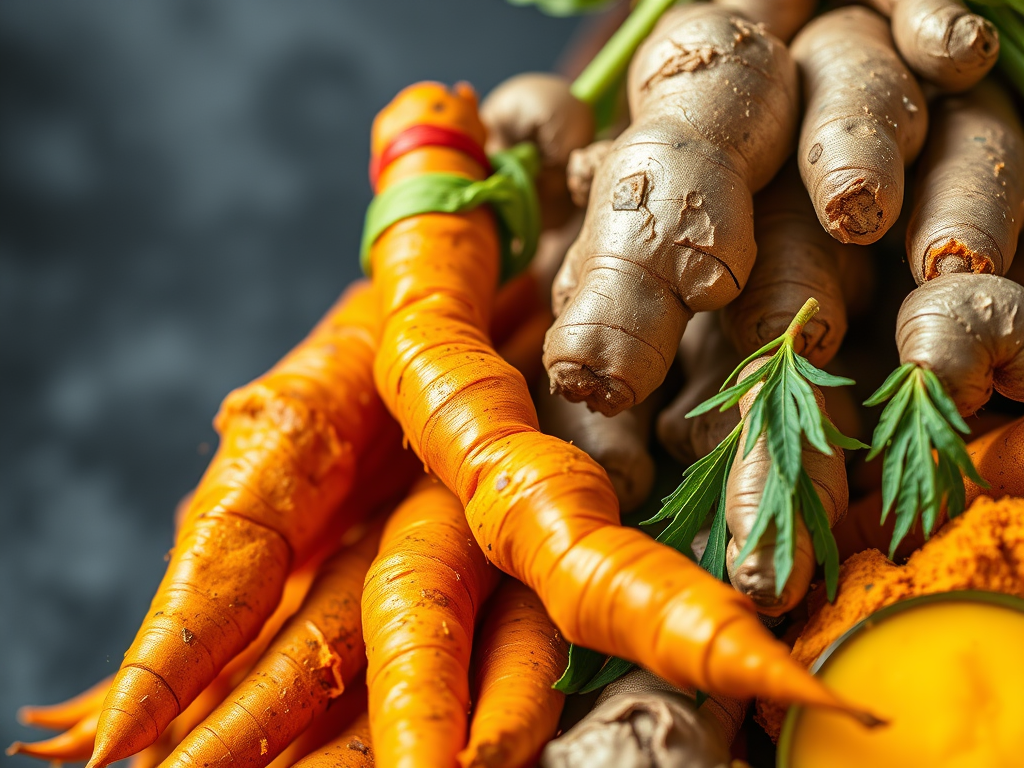
- Healing Properties: Ginger is renowned for its analgesic, anti-inflammatory, and antioxidant properties, making it an effective remedy for pain, nausea, and digestive issues. The 639 Hz frequency is linked to connecting and balancing relationships, which may contribute to its harmonizing effects on the body.
- Turmeric (Curcuma longa)
- Frequency: 741 Hz
- Healing Properties: Turmeric’s active compound, curcumin, is a potent anti-inflammatory and antioxidant with numerous health benefits, including reduced inflammation, improved brain function, and lower risk of heart disease. The 741 Hz frequency is associated with solving problems and awakening intuition.
- Echinacea (Echinacea purpurea)
- Frequency: 852 Hz
- Healing Properties: Echinacea is well-known for its immune-boosting and anti-inflammatory effects, making it a popular choice for treating colds, flu, and infections. The 852 Hz frequency is linked to returning to spiritual order and balancing the mind and body. *Amazon affiliate links
Harnessing Herbal Frequencies for Healing
To harness the healing potential of herbs, consider the following tips:
- Choose high-quality herbs: Opt for organic, sustainably-sourced herbs with minimal processing.
- Prepare and use herbs mindfully: Be intentional in your preparation and use of herbs, setting an intention for healing and well-being.
- Explore frequency-based therapies: Consider experimenting with sound healing, Solfeggio frequencies, or other modalities that work with healing frequencies.
- Practice self-care: Combine herbs with other self-care practices, such as a healthy diet, regular exercise, and adequate rest, to support overall well-being.
In conclusion, the healing frequencies of herbs offer a captivating perspective on the power of plants and their role in our well-being. By understanding and harnessing these frequencies, we can unlock new dimensions of healing and connection with the natural world.
Stay tuned for more articles on natural healing and the fascinating world of herbs!
 abide & thrive