Choosing the right cooking oil is crucial for maintaining good health. Here’s a guide to help you differentiate between healthy and toxic cooking oils and avoid inflammation:
Healthy Cooking Oils:
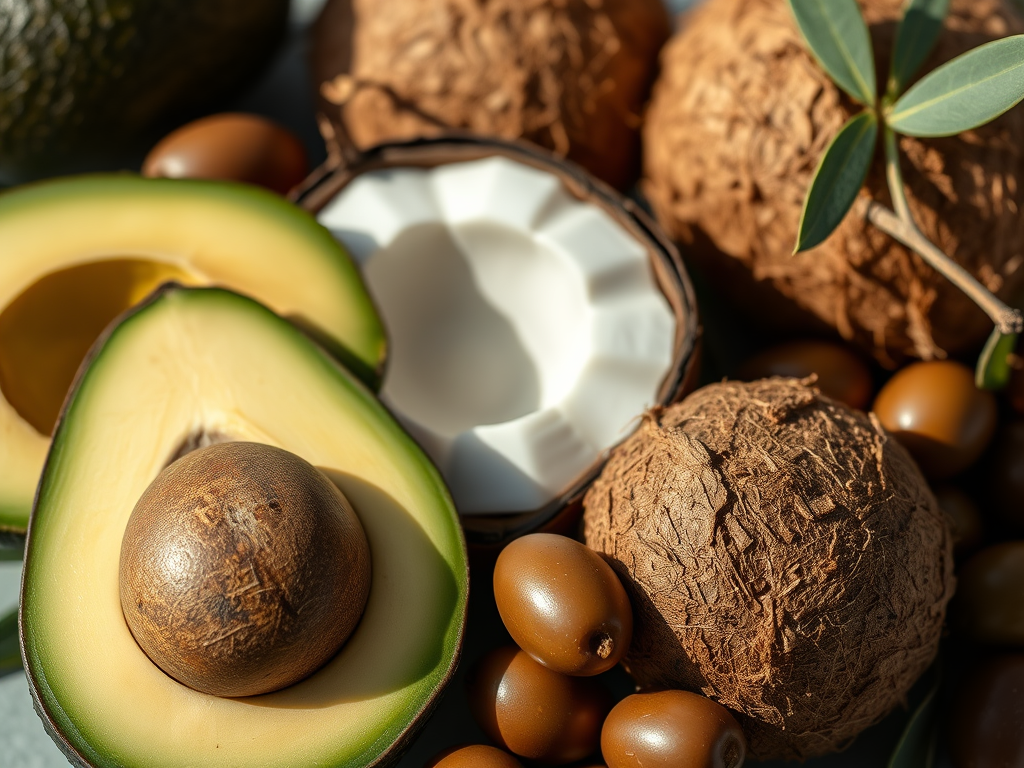
- Coconut Oil (Organic, Virgin): Rich in medium-chain triglycerides (MCTs) and lauric acid, coconut oil is highly stable and resistant to heat, making it an excellent choice for high-heat cooking like sautéing and baking. It’s also great for no-heat applications like smoothies and homemade body care products. Opt for organic, virgin coconut oil to ensure purity and maximum health benefits.
- Smoke Point: 350°F (177°C)
- Health Benefits: Supports immune function, heart health, and can help with weight management.
- Olive Oil (Extra Virgin): Rich in monounsaturated fats and polyphenols, extra virgin olive oil (EVOO) is best used for low to medium-heat cooking, dressings, and drizzling. It’s essential to choose high-quality, cold-pressed, extra virgin olive oil to preserve its natural health benefits.
- Smoke Point: 375-405°F (191-207°C)
- Health Benefits: Protects against heart disease, reduces inflammation, and may improve brain function.
- Avocado Oil: With the highest smoke point among culinary oils, avocado oil is perfect for high-heat cooking, frying, and sautéing. It’s rich in monounsaturated fats and has a neutral flavor that won’t overpower your dishes.
- Smoke Point: 520°F (271°C)
- Health Benefits: Supports heart health, improves skin health, and may enhance absorption of fat-soluble nutrients.
- Ghee (Clarified Butter): Made by simmering butter until the milk solids and water evaporate, ghee is rich in butyric acid, which has anti-inflammatory properties. It’s an excellent choice for high-heat cooking and has a rich, buttery flavor.
- Smoke Point: 485°F (252°C)
- Health Benefits: Supports digestive health, has anti-inflammatory properties, and may improve gut microbiome.
Toxic Cooking Oils:
- Vegetable Oil: Typically a blend of refined oils derived from soy, corn, safflower, and/or canola, vegetable oil is high in polyunsaturated fats that are susceptible to oxidation and the formation of harmful compounds when heated. It’s best to avoid or minimize the use of vegetable oil, especially for high-heat cooking.
- Smoke Point (varies by blend): 320-450°F (160-232°C)
- Health Concerns: High in omega-6 fatty acids, which can contribute to inflammation; prone to oxidation and the formation of harmful compounds like HNE when heated.
- Canola Oil: Despite its name, canola oil is not a natural product but a highly processed, genetically modified oil made from rapeseed. The refining process involves high heat, chemicals, and deodorization, which can compromise its nutritional value and create harmful compounds. Most canola oil on the market is also partially hydrogenated, leading to the formation of trans fats.
- Smoke Point: 400°F (204°C)
- Health Concerns: High in omega-6 fatty acids, often genetically modified, and frequently refined using harmful processes.
- Soybean Oil: Rich in polyunsaturated fats, soybean oil is prone to oxidation and the formation of harmful compounds when heated. It’s also often genetically modified and refined using harmful processes.
- Smoke Point: 465°F (241°C)
- Health Concerns: High in omega-6 fatty acids, often genetically modified, and frequently refined using harmful processes.
- Corn Oil: Similar to soybean oil, corn oil is high in polyunsaturated fats that can oxidize and form harmful compounds when heated. It’s also often genetically modified and refined using harmful processes.
- Smoke Point: 450°F (232°C)
- Health Concerns: High in omega-6 fatty acids, often genetically modified, and frequently refined using harmful processes.
When choosing cooking oils, opt for minimally processed, natural options with high smoke points for high-heat cooking. Always choose organic, non-GMO, and cold-pressed or expeller-pressed oils whenever possible to ensure the highest quality and maximum health benefits.
1 Cor. 6: 19-20
Subscribe and follow us so you don’t miss our non-inflammatory, healing foods cookbook to be released soon!
 abide & thrive