
Ancient Traditions of Spring, Renewal, and Fertility
As spring draws near each year, people across the world begin preparing for Easter—a season filled with color, celebration, and tradition. Yet beneath modern customs lies a much older story. The origins often associated with Easter reveal a fascinating blend of ancient beliefs, seasonal rhythms, and symbolic practices that existed long before later religious observances took shape.
Let’s take a deeper look at how these early traditions connect to nature, renewal, and the cycles of life.
The foundations often linked to Easter can be traced to ancient spring festivals centered around the vernal equinox—a time when day and night are nearly equal. For early societies, this seasonal shift was deeply significant.
It marked:
- The passing of winter
- The return of warmth and sunlight
- The beginning of planting and growth
Many pagan communities celebrated this transition with festivals honoring fertility, rebirth, and the renewal of life.
One frequently referenced figure is Eostre, a goddess associated with spring and new beginnings. According to Bede, celebrations held in her honor included rituals focused on growth, abundance, and the reawakening of the earth.
Symbols of Life: Eggs and Their Meaning
Few symbols are as strongly associated with Easter as the egg. Yet its meaning reaches far beyond modern traditions.
In ancient cultures, eggs represented:
- New life emerging
- Fertility and creation
- The continuation of natural cycles
People often decorated eggs and exchanged them as gifts during spring festivals, using them as tangible expressions of hope and renewal. Over time, these customs blended into later celebrations, eventually giving rise to familiar practices like egg decorating and seasonal egg hunts.
The rabbit—or hare—is another well-known symbol tied to Easter traditions.
In early folklore, these animals were closely linked to fertility due to their rapid reproduction. They became natural representations of:
- Growth and abundance
- New beginnings
- The flourishing of life in spring
Hares were also sometimes connected symbolically to Eostre, further reinforcing their place in seasonal celebrations. The pairing of rabbits and eggs reflects a broader theme: the merging of ancient nature-based imagery with later cultural traditions.
The Equinox Connection
Many of these early celebrations aligned with the spring equinox, a moment of balance between light and darkness. Cultures around the world honored this time as a turning point—when light begins to overcome the darkness of winter.
Festivals held during this period often emphasized:
- Renewal and rebirth
- Fertility and growth
- The restoration of balance in nature
Recognizing this connection adds depth to our understanding of the seasonal themes that continue to shape springtime traditions today.
Shared Themes Across Cultures
Spring celebrations are not unique to one region—they appear across many cultures throughout history, each reflecting similar ideas of renewal and life.
For example:
- Ostara – A celebration of fertility and seasonal renewal
- Nowruz – Marking the new year at the spring equinox
- Holi – Celebrating spring, joy, and new beginnings
Though these traditions differ in form, they share a common thread: honoring the return of life, color, and vitality after winter.
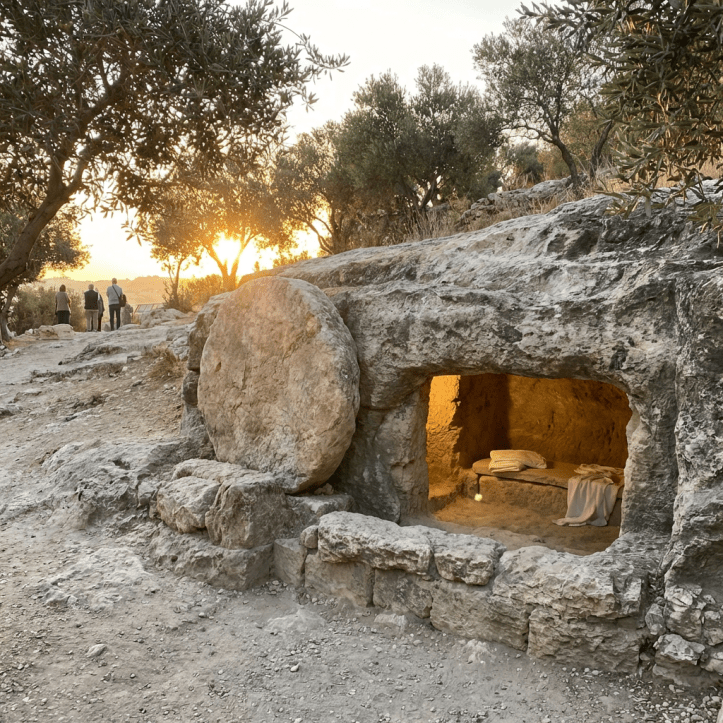
While many cultures throughout history have celebrated this season of renewal, for believers, this time points to something far greater than nature alone. It points to the resurrection of Jesus Christ—the moment that changed everything.
It is about victory over death, the fulfillment of God’s promise, and the hope of eternal life.
 abide & thrive