
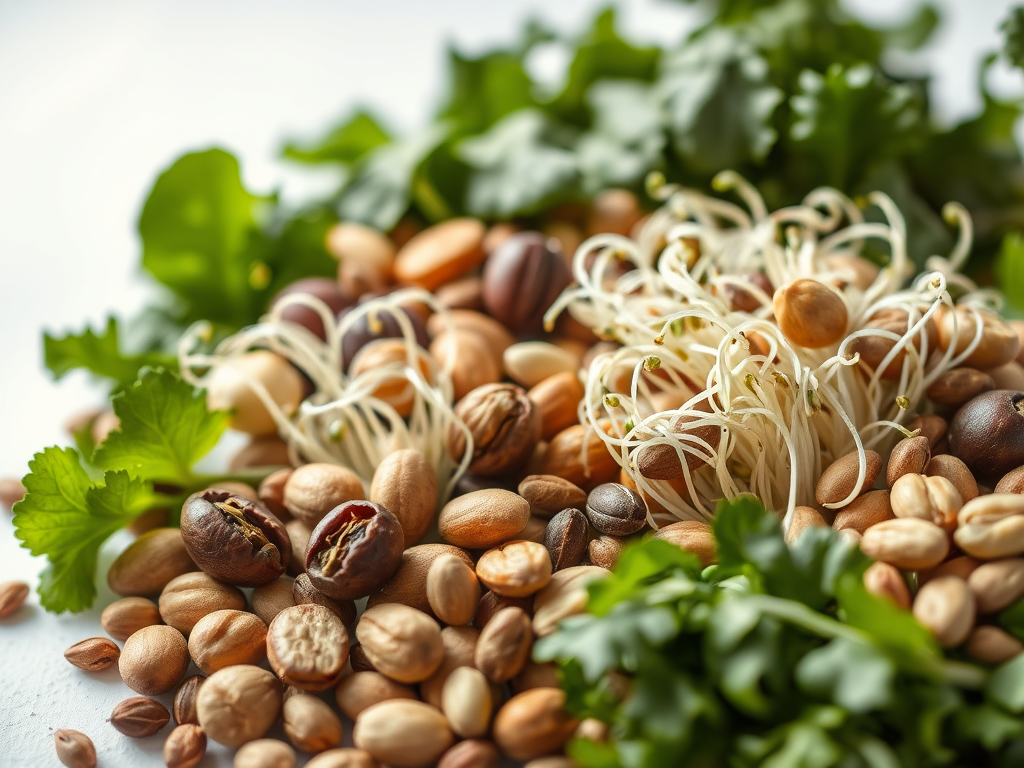
In a world where processed and calorie-dense, nutrient-poor foods often dominate our diets, it’s crucial to remember the importance of fueling our bodies with nutrient-dense foods, especially when it comes to emergency and survival situations. Nutrient-dense foods provide an abundance of essential vitamins, minerals, and antioxidants while being low in calories, ensuring that our bodies receive the nutrients they need to function at their best, even when resources are limited.
Understanding Nutrient Density
Nutrient density refers to the amount of nutrients packed into a food in relation to its calorie content. Foods high in nutrient density are crucial for maintaining optimal health, boosting immunity, and aiding in recovery during challenging times. When selecting nutrient-dense survival foods, focus on those that offer a broad spectrum of vitamins, minerals, and other beneficial compounds, such as antioxidants and phytochemicals.
Top Nutrient-Dense Survival Foods
- Sprouts (Beans, Lentils, and Grains): Sprouting increases the nutritional value of these foods significantly, making them an excellent source of vitamins, minerals, and plant-based protein. Sprouts are also easy to grow and store, making them an ideal survival food.
- Nuts and Seeds: Rich in healthy fats, proteins, and various micronutrients, nuts and seeds are calorie-dense and nutrient-dense powerhouses. Some of the best choices include:
- Almonds (high in vitamin E, magnesium, and manganese)
- Chia seeds (omega-3 fatty acids, fiber, and various micronutrients)
- Hemp hearts (plant-based protein, omega-3 and -6 fatty acids, and a wide range of vitamins and minerals)
- Sunflower seeds (vitamin E, copper, and selenium)
- Dried Fruits: Nature’s portable and long-lasting energy packages, dried fruits are an excellent source of vitamins, minerals, and antioxidants. Some top choices include:
- Dates (vitamins and minerals, including iron, magnesium, and potassium)
- Prunes (vitamins, minerals, and antioxidants, as well as high in fiber)
- Raisins (vitamins, minerals, and antioxidants, plus they’re easy to store and pack)
- Fermented Foods: Rich in probiotics and beneficial gut bacteria, fermented foods support digestive health and immune function. Examples include:
- Sauerkraut
- Kimchi
- Kombucha
- Kefir (and other fermented dairy products, if tolerated)
- Canned Fish: High in protein, omega-3 fatty acids, and various micronutrients, canned fish makes an excellent nutrient-dense survival food. Opt for low-sodium varieties and pack them in water or olive oil for added heart-healthy fats.
- Leafy Greens and Cruciferous Vegetables: While fresh might be challenging to store long-term, powdered or freeze-dried options provide essential vitamins, minerals, and antioxidants. Consider foods like:
- Spinach
- Kale
- Broccoli
- Brussels sprouts
Preparing for Survival: Stock Up on Nutrient-Dense Foods
When selecting survival foods, prioritize nutrient density to ensure your body receives the nutrients it needs to function optimally, even in challenging circumstances. Incorporate a variety of nutrient-dense foods into your storage plans, and consider learning to grow, preserve, and prepare these foods for long-term success.
By fueling your body with nutrient-dense survival foods, you’ll not only improve your chances of thriving during emergencies but also enhance your overall health and well-being. So, start stocking up on these power-packed foods and unlock the power of nutrient density for a healthier, more resilient you.
 abide & thrive
[…] Healthy Diet for Lash StrengthLashes need nutrition just like hair. Eating foods rich in biotin, omega-3 fatty acids, and protein supports natural growth from the inside out. […]
LikeLike