Blog

  • Rest and Renew

    Rest and Renew

    Finding Rest in God

    We live in a world that constantly demands our time and attention. Between work, family, and daily responsibilities, it can feel like there’s never a moment to slow down. Even when everything seems to be running smoothly, stress and exhaustion can creep in, leaving us feeling drained.

    The good news? You’re not alone. Life’s demands—whether parenting, career changes, or just the busyness of everyday living—can take a toll. That’s why learning how to rest is so important. Even Jesus stepped away from the crowds to pray and be refreshed.

    The Importance of Pausing

    My family recently took a long cross country family road trip to visit friends. We had endured hours of driving, our bodies ached, our stomachs were growling, and unfortunately patience was wearing thin. Yet when we focused on a closer target, be it a Bucee’s, a rest stop—a place to stretch, refuel, and reset before continuing the journey, things seemed to lighten up.

    Just as road trips require breaks, so does life. God never intended for us to be constantly overwhelmed, running on empty. When we neglect rest, we’re less effective in our relationships, responsibilities, and even our faith. Scripture emphasizes the necessity of slowing down and drawing near to Jesus, the true source of renewal.

    God’s Promise of Rest

    The Israelites longed for a place of rest after wandering in the wilderness for 40 years. They dreamed of the Promised Land, a home where they could settle and thrive. Despite their struggles and setbacks, God never abandoned them. He still had a plan to lead them into a place of peace and provision.

    What does rest look like for you? It might be quiet moments in prayer, a walk outdoors, or a deep breath after a long day. Whatever form it takes, know that God desires to bring you into a place of renewal.

    The Gift of Sabbath

    Our culture often equates busyness with value—as if productivity determines our worth. But Scripture presents a different perspective. Rest isn’t a luxury; it’s a necessity.

    After creating the world, God set the example by resting on the seventh day (Genesis 2:2-3). He later commanded His people to observe the Sabbath, a day dedicated to worship and restoration (Exodus 20:8-11). Rest isn’t about idleness but about trusting God to sustain us even when we pause from our labor.

    “Come to Me, and I Will Give You Rest”

    God understands our need for rest—physically, emotionally, and spiritually. He invites us to find peace in Him:

       •   “Come to me, all who are weary and burdened, and I will give you rest.” — Matthew 11:28

       •   “He makes me lie down in green pastures; He leads me beside quiet waters.” — Psalm 23:2

       •   “So there remains a Sabbath rest for the people of God.” — Hebrews 4:9

       •   “For God alone my soul waits in silence; from Him comes my salvation.” — Psalm 62:1

    These verses remind us that true rest isn’t found in checking off our to-do lists but in drawing near to God. He is more than capable of carrying our burdens and providing the peace we seek.

    Choosing Rest in Daily Life

    This year, consider making rest a priority. It’s not about neglecting responsibilities but about intentionally creating space for renewal.

    Rest might look different for everyone. It could be setting aside time for worship, listening to Scripture during a quiet moment, or simply enjoying God’s presence. The key is making room for restoration in our daily lives.

    We can’t pour into others when we’re running on empty. Just as God cares for the work of our hands, He also cares for the condition of our hearts. So take a breath, slow down, and invite Him into your day. He is ready to refresh and restore you.

    We recommend selecting a Bible and devotional such as

    NKJV Matthew Henry Daily Devotional Bible, Comfort Print–soft leather-look, blue/navy
    By Thomas Nelson

    The NKJV Matthew Henry Daily Devotional Bible merges one of the most influential Bible commentaries with God’s Word and delivers a format that guides you into a daily devotional experience, allowing you to see the richness of Scripture while you intentionally take the time in your day to dwell in the presence of God.

    Features:

    • The complete Bible text in the New King James translation
    • 366 daily devotions, adapted from The Matthew Henry Commentary, one of the most popular commentaries ever written
    • Line-matched 2-column paragraph format
    • Complete index of devotions
    • Two satin ribbon markers
    • 8 pages of full-color maps
    • 2-color interior design
    • Words of Christ in red
    • Clear and readable NKJV Comfort Print typeface in a 10-point print size

  • Get the Most out of Your Meals

    Eat Your Foods in Their Most Natural State Using Minimal Processing

    • Fresh, whole foods retain the most vitamins, minerals, and fiber.
    • Processing (like refining grains or adding sugar) can strip away valuable nutrients.

    Use Gentle Cooking Methods

    • High heat and prolonged cooking can destroy heat-sensitive vitamins (like vitamin C and B vitamins).
    • Opt for cooking methods that preserve nutrients:
      • Steaming: Retains most vitamins and minerals.
      • Sautéing/Stir-frying using non-toxic cookware : Quick cooking with a small amount of water or olive oil preserves nutrients.
    • Avoid boiling vegetables unless using the water in soups or stews to retain nutrients.
    • Microwaving foods destroys nutrients and should be avoided.

    Pair Foods for Better Nutrient Absorption

    • Some vitamins and minerals are better absorbed when combined with other foods:
      • Fat-soluble vitamins (A, D, E, K): Absorb better when eaten with healthy fats. (e.g., avocado with leafy greens)
      • Iron: Absorbed better with vitamin C. (e.g., spinach with lemon juice)
      • Calcium and Vitamin D: Work together to strengthen bones.

    Eat Foods Soon After Harvest or Properly Store Them

    • Nutrients degrade over time after harvesting.
    • Freezing or refrigerating fresh produce helps maintain nutrient levels.
    • Consume fresh produce quickly to maximize benefits.

    If fresh isn’t available, frozen produce is a great alternative!


    Following these tips will help you get the most out of your meals! 😊

  • Fresh or Frozen?

    The nutritional value of food can vary depending on the form—fresh, frozen, canned, or dried. Here’s a ranked list, from most nutritious to least, generally speaking:

    Fresh Food (Most Nutritious)

    • Fresh fruits and vegetables picked at peak ripeness tend to have the highest nutrient content.
    • However, nutrient levels may decline after a few days due to exposure to air, light, and temperature changes.

    Fresh is best for: Vitamins, minerals, fiber, and antioxidants. If stored too long, fresh food may lose more nutrients than some frozen or canned alternatives.


    Frozen Food

    • Typically frozen immediately after harvest, preserving most nutrients.
    • Freezing locks in vitamins and minerals, although some water-soluble vitamins (like vitamin C and B vitamins) may slightly decrease.

    Frozen is best for: Retaining nutrients over time, especially if stored properly. Watch out for added sauces, sugar, or sodium in some frozen products. Freeze your own from fresh!


    Canned Food

    • Canning involves heating, which can reduce some heat-sensitive vitamins like vitamin C.
    • However, many canned foods retain fiber, minerals, and fat-soluble vitamins (like A, D, E, and K).

    Canned is best for: Long-term storage with decent nutrient retention. Select low-sodium or no-added-sugar versions, as some canned foods may be high in salt or preservatives.


    Dried Food

    • Drying removes water, concentrating calories and sugar but reducing heat-sensitive vitamins.
    • Dried fruits retain fiber and minerals but can be high in sugar.
    • Dried vegetables may lose some nutrients but still offer fiber and antioxidants.

    Dried is best for: Long shelf life and concentrated fiber. Be aware of added sugars or preservatives in some dried products. However, you can obtain quality, non-GMO, certified organic, freeze-dried foods. For your long-term food storage options, visit Health Ranger Store!

  • Laundry

    Here’s why wool dryer balls are superior:

    1. Reduce Drying Time

    Wool dryer balls help separate laundry in the Dryer, allowing hot air to circulate more efficiently. This reduces drying time by  25-50%, saving energy and lowering electricity bills.

    2. Soften Clothes Naturally

    They naturally soften fabrics by agitating and fluffing them as they tumble, eliminating the need for chemical-laden fabric softeners.

    3. Reduce Static Cling

    By reducing friction between clothes, wool dryer balls help minimize static buildup, especially when drying synthetic fabrics.

    4. Eco-Friendly & Reusable

    Unlike disposable dryer sheets, wool dryer balls are 100% natural. Each one can be reused for over 2,500 loads, making them the most sustainable and economical choice.

    5. Hypoallergenic & Chemical-Free

    Since they’re made from 100% pure wool, they’re free of artificial fragrances and chemicals, making them ideal for those with sensitive skin, babies, and people prone to allergies.

    6. Can Be Scented Naturally

    You can add a drop or two of essential oil (like lavender or lemon) to your wool dryer balls to lightly scent your laundry without synthetic fragrances. 

    7. Prevent Wrinkles

    Keeping clothes separated and moving helps reduce wrinkles, which means less ironing! That’s a win-win—nobody likes ironing, either!

    Dryer sheets may make your laundry feel soft and smell fresh, but they have several downsides, especially for your health, the Environment, and the efficiency of your Dryer.

    Here’s why dryer sheets may be harmful:

    1. Contain Toxic Chemicals

    Many dryer sheets are coated with synthetic fragrances and chemicals, including:

    • Benzyl acetate (linked to respiratory issues)
    • Benzyl alcohol (can cause headaches and irritation)
    • Linalool & Limonene (potential allergens and irritants)
    • Quaternary ammonium compounds (linked to asthma and skin irritation)

    These chemicals can be absorbed by your skin or inhaled from clothing throughout the day.

    2. Can Trigger Allergies & Respiratory Issues

    The artificial fragrances and chemicals in dryer sheets can cause skin irritation, allergic reactions and worsen conditions like asthma or eczema.

    3. Reduce Fabric Absorbency

    Dryer sheets coat fabric with a waxy residue that can reduce the absorbency of towels, cloth diapers, and moisture-wicking athletic wear.

    4. Harmful to the Environment

    • Non-biodegradable: Most dryer sheets are made of polyester or non-woven synthetic fibers that don’t decompose.
    • Release VOCs (Volatile Organic Compounds): These contribute to indoor air pollution and environmental toxins.
    • Contain non-renewable petroleum-based ingredients.

    5. Can Damage Your Dryer

    The residue left behind from dryer sheets can build up on the lint trap and dryer sensors, reducing efficiency and potentially causing overheating or fires.

    6. Wasteful & Expensive

    Unlike reusable wool dryer balls, dryer sheets are single-use, creating unnecessary waste and costing more over time.

    Healthier Alternatives:

    • Wool Dryer Balls – Naturally softens clothes, reduces static, and cuts drying time.
    • Vinegar Rinse – Add ½ cup of white vinegar to the rinse cycle to soften the fabric naturally.
    • Essential Oils – A few drops on wool dryer balls can give clothes a pleasant scent
  • Clothing

    Natural fabrics are materials derived from plants, animals, or minerals. They are recommended because they are breathable, biodegradable, and generally more skin-friendly compared to synthetic fabrics. Here are some common natural fabrics and their benefits:

    1. Cotton

    • Source: Cotton plant
    • Why Recommended: Soft, breathable, hypoallergenic, and absorbent. Ideal for warm weather and sensitive skin.

    2. Linen

    • Source: Flax plant
    • Why Recommended: Lightweight, durable, moisture-wicking, and cooling. Perfect for summer wear.

    3. Wool

    • Source: Sheep, alpacas, goats (e.g., cashmere), and other animals
    • Why Recommended: Insulating, moisture-wicking, odor-resistant, and warm. Great for winter clothing.

    4. Silk

    • Source: Silkworm cocoons
    • Why Recommended: Luxurious, smooth, temperature-regulating, and hypoallergenic. Used for high-end clothing and bedding.

    5. Hemp

    • Source: Hemp plant
    • Why Recommended: Strong, durable, naturally UV-resistant, and antibacterial. Becomes softer with wear.

    6. Bamboo (in its natural form, not processed as rayon)

    • Source: Bamboo plant
    • Why Recommended: Soft, moisture-wicking, antibacterial, and eco-friendly when minimally processed.

    Why Natural Fabrics Are Recommended Over Synthetics

    • Eco-friendly: Biodegradable and renewable.
    • Breathable & Comfortable: Allow air circulation, reducing sweat and odor.
    • Non-toxic: Free from harmful chemicals often found in synthetic fabrics.
    • Durability: Many natural fabrics, like wool and hemp, are long-lasting and improve with wear.

  • The Hidden Dangers of Modern Lighting — And How to Bring God’s Light Back Into Your Home

    Light is one of God’s first and most essential gifts to creation. The Bible reminds us:

    “God said, ‘Let there be light,’ and there was light. And God saw that the light was good.” — Genesis 1:3-4

    Light gives life, promotes growth, and brings peace into our homes. But not all light supports our well-being the way God intended. In today’s world, many homes rely on harsh, artificial lighting that can quietly disrupt our health, energy, and sleep.

    At Abide and Thrive, we believe stewarding your home starts with the simplest details — including the light you live under each day.

    The Health Risks of Common Modern Lighting

    While LED and fluorescent lighting have gained popularity for being energy-efficient, there are hidden health concerns to be aware of — especially for families committed to wellness and intentional living.

    The Impact of Blue Light from LED Bulbs

    Many LED bulbs emit high amounts of blue light, which can:

    ✔️ Disrupt your natural sleep cycles, especially when used at night

    ✔️ Interfere with melatonin production, making it harder to fall asleep or feel rested

    ✔️ Contribute to digital eye strain, headaches, and fatigue

    Excessive blue light — particularly from overhead lighting, screens, and devices — confuses your body’s natural rhythm, affecting everything from sleep to focus to mood.

    Flickering & Light Sensitivities

    LED and fluorescent lights can produce subtle flickering, often unnoticed but still triggering:

    ✔️ Headaches or migraines

    ✔️ Increased eye strain

    ✔️ Restlessness or irritability, especially in children or sensitive individuals

    Even brief exposure to harsh, flickering lighting can create tension in your home — the opposite of the peace God designed for us to live in.

    🌿 God’s Better Design: Create a Light-Filled, Peaceful Home

    The good news? You can reclaim the atmosphere of your home by making intentional, healthy lighting swaps that align with God’s design for rest and restoration.

    Healthier Lighting Alternatives for a Naturally Peaceful Home

    ✨ Full-Spectrum Natural Light Bulbs — Mimic daylight, providing a bright but balanced light that supports your body’s natural rhythm

    ✨ Incandescent Light Bulbs* — These vintage style bulbs add a fun vintage vibe

    ✨ Himalayan Salt Lamps — Offer a soft, warm glow, perfect for bedrooms, living rooms, or quiet evening routines

    ✨ Warm-White or Amber LED Bulbs — Reduce blue light exposure, better supporting restful sleep and a calm atmosphere

    ✨ Candlelight or Oil Lamps — Gentle, flicker-free options for cozy evenings or family time

    Maximize Natural Light — The Original Source of Wellness

    God’s creation offers us the perfect blueprint for health. Natural daylight not only boosts mood, but:

    ✔️ Regulates your circadian rhythm

    ✔️ Supports vitamin D production

    ✔️ Improves mental clarity and peace

    Simple ways to bring more natural light into your home:

    • Open curtains and blinds fully during the day
    • Rearrange furniture to maximize window light
    • Spend intentional time outside daily — even a few minutes can refresh your spirit

    Our Family’s Lighting Journey

    When I learned about the effects of harsh, artificial lighting, I knew something had to change in our home. We replaced cold, bright LEDs with warm amber lights and added salt lamps to key spaces. The difference was immediate — fewer headaches, better sleep, and a calmer, more peaceful atmosphere that aligned with the values we hold.

    It reminded me that wellness starts with small, simple choices — even the kind of light we allow into our homes.

    Meaningful Gift Ideas to Share God’s Light

    Looking for purposeful, wellness-inspired gifts? Try:

    🌿 A salt lamp to create peace in a loved one’s home

    🌿 A set of warm-toned light bulbs for evening rest

    🌿 A plant or candle basket to inspire relaxation and gratitude

    Light, both physical and spiritual, is one of God’s greatest blessings — and it’s a gift we can intentionally share.

    Let There Be Light — The Kind That Heals

    You deserve a home that nurtures your health, supports your rest, and reflects the peace God intended. Swapping out harsh lighting is a small change with big impact.

    Ready to create a light-filled, peaceful space?

    Let’s embrace natural light — the kind that brings peace, health, and God’s presence back into your home.

    *We earn a small affiliate commission from Amazon if you purchase through the links on this page, at no extra cost to you.

  • 5 Must-Have Plants to Clean Your Air Quality

    How Plants Filter the Air in Your Home

    Bringing plants into your home not only enhances the aesthetic appeal but also has significant benefits for your indoor air quality. Here are some ways in which plants can filter the air:I

    1. Absorption of Carbon Dioxide

    Plants absorb carbon dioxide (CO2) during the process of photosynthesis, helping to reduce the levels of this greenhouse gas in your living space.

    2. Release of Oxygen

    As plants take in CO2, they release oxygen, which is essential for human health. A higher oxygen level can improve mood, concentration, and overall well-being.

    3. Removal of Harmful Pollutants

    Many indoor plants can absorb harmful pollutants such as formaldehyde, benzene, and xylene which are often found in household products and materials. Notable air-purifying plants include:

    • Spider Plant
    • Peace Lily
    • Snake Plant
    • Boston Fern
    • Pothos

    4. Increasing Humidity

    Plants release moisture vapor through transpiration, which increases humidity levels in the air. This can help alleviate respiratory issues and dryness, particularly in winter months.

    5. Natural Filtration

    The soil in potted plants can also act as a filter, trapping dust and other particulates, which can contribute to cleaner air.

    5 Must-Have Plants to Clean Your Air & Fill Your Home with God’s Peace

    Have you ever walked into a space filled with greenery and instantly felt calmer? That’s no coincidence — God designed plants not only to beautify the earth, but to nourish, refresh, and restore. From the Garden of Eden to the little corners of our living rooms, plants bring life wherever they grow.

    But they aren’t just décor. Certain plants naturally cleanse the air, absorb toxins, and boost the peace and health of your home — all part of God’s design to support our well-being.

    “The Lord God took the man and put him in the Garden of Eden to work it and take care of it.” — Genesis 2:15

    Today, we may not live in Eden, but we can still fill our homes with little reminders of creation’s goodness — and cleaner, healthier air.

    More on the Top 5 Easy Air-Cleansing Plants for Your Home

    🌿 1. Snake Plant (Sansevieria)

    Tough, sleek, and nearly impossible to kill, this plant is perfect for beginners. It absorbs toxins like formaldehyde and produces oxygen — even at night! Place one in your bedroom or bathroom for fresher air and a modern look.

    🌿 2. Peace Lily

    True to its name, the Peace Lily brings peace and beauty. Its glossy leaves and white blooms add elegance while quietly filtering household air. Bonus — it increases humidity, which is perfect for dry homes or winter months.

    🌿 3. Golden Pothos (Devil’s Ivy)

    Want a fast-growing, trailing plant that improves air quality? Pothos is your best friend. It thrives in low light, survives a little neglect, and looks gorgeous cascading from shelves or hanging baskets.

    Creative Tip: Place pothos cuttings in a clear jar of water, and they’ll grow roots! It’s a beautiful way to display greenery — no soil required.

    🌿 4. Spider Plant

    Known for sprouting baby “spiderettes,” this cheerful plant helps remove pollutants and adds vibrant energy to any space. It’s great for kitchens, offices, or near windows.

    Propagation Idea: Once your spider plant produces babies, snip them, root them in water, and give them as meaningful, living gifts to friends and family. What better way to share life than to gift part of your plant?

    🌿 5. Areca Palm

    If you want a more tropical, statement plant, Areca Palm adds both height and humidity to dry indoor air. It helps ease dryness that can cause irritated eyes, headaches, and tiredness — and instantly makes your home feel like a peaceful retreat.

    More Than Just Décor: Why Plants Reflect God’s Provision

    Plants aren’t just pretty — they remind us of God’s care for our bodies, homes, and spirits. Clean air, peace, beauty, and growth are all part of His design:

    • They cleanse the air naturally
    • They reduce stress and promote mental clarity
    • They bring a touch of creation indoors — reminding us of Eden and God’s blessings
    • They’re gifts we can multiply — by propagating plants and sharing life with others

    Creative Ways to Use Plants in Your Home

    • Style potted plants on shelves, counters, or nightstands
    • Grow vining plants in water for windowsills or bathrooms
    • Place rooted cuttings in glass jars for minimalist, soil-free displays
    • Propagate baby plants to gift to loved ones — a living reminder of God’s provision
    • Pair your greenery with natural, non-toxic home products for complete peace of mind

    It’s been such a joy sharing clippings with friends and neighbors. Plants are such a beautiful way to multiply life and bless others — literally spreading His provision from one home to another.

    Fill Your Home with Life, Peace, & Purpose

    Your home should be a refuge — free of toxins, filled with life, and reflecting the goodness of God’s creation. By adding air-purifying plants, you’re not only cleansing the air but filling your space with peace, purpose, and natural beauty.

  • Harness the Power of Natural Skincare with Biblical Wisdom

    natural skin care products - clean skin care

    Our bodies are gifts from God, and as stewards of His creation, we are called to care for them with wisdom and intention. In a world filled with artificial chemicals and harsh additives, choosing natural skincare is not just a wellness trend — it’s a way to honor the body God has given us. The Bible teaches that what we put in and on our bodies matters:

    Using natural, God-given ingredients aligns with His design for holistic health and radiant living.

    But beyond spiritual principles, science backs this up. Research shows that what we expose our skin to impacts our health, from inflammation to hormone disruption. Sadly, many commercial products contain toxins that can do more harm than good.

    Let’s explore the hidden dangers of synthetic skincare, the healing power of God’s ingredients, and how embracing clean, intentional skincare transformed my own life.


    The Hidden Dangers of Synthetic Skincare

    Many commercial skincare products are filled with artificial chemicals designed to preserve, fragrance, or enhance texture — but often, they come with risks:

    Toxins That Harm the Body

    Common ingredients like parabens, sulfates, and phthalates are linked to hormone disruption, skin irritation, and even long-term health concerns (Environmental Health Perspectives, 2016). Scripture reminds us:

    “Don’t you know that you yourselves are God’s temple and that God’s Spirit dwells in your midst?” — 1 Corinthians 3:16-17

    Filling our bodies with toxins contradicts our duty to honor and care for them.

    Stripping Away or Supporting God’s Design

    Harsh detergents and alcohol-based ingredients disrupt the skin’s natural protective barrier, leading to dryness, premature aging, and irritation. God designed our skin to self-regulate, and natural ingredients work with this design rather than against it.


    Environmental & Ethical Impact

    Petroleum-based products contribute to pollution, while chemical formulas often harm waterways and wildlife. We are called to be stewards of creation:

    “The righteous care for the needs of their animals.” — Proverbs 12:10

    Choosing natural skincare reflects care for both ourselves and the world around us. That’s why we love Faith Farms.


    My Personal Testimony: Healing from the Inside Out

    A few years ago, I experienced painful redness, sores, and flare-ups across my face after a Coxsackie virus infection. It left me dealing with skin sensitivity that resembled rosacea. It lasted for over three years, in and out of dermatologist offices, with no remedy or relief. Covering it up didn’t work, was painful with any product I applied, and treatments made it worse. During my wedding, was the worst part, trying to find a way to cover for my special day. Then a year later, I was pregnant and had to stop any attempt from the dermatologist, to avoid any issued with my pregnancy.

    True healing came when I embraced God’s design for wellness:

    • A natural, anti-inflammatory diet, cutting processed foods
    • Gentle detox support to help my body heal
    • Switching to clean, God-given skincare with nourishing ingredients

    Over time, my skin began to calm, the redness faded, and my body restored itself. It wasn’t overnight — but when we lean into God’s provision and wisdom, healing follows.

    God’s Ingredients for Naturally Radiant Skin

    🌿 Olive Oil — Deeply hydrates, protects, and nourishes skin naturally (James 5:14)

    🌿 Honey — Fights bacteria, reduces inflammation, and speeds healing (Proverbs 16:24)

    🌿 Aloe Vera — Soothes irritation and promotes skin repair (Numbers 24:6)

    🌿 Frankincense — Reduces signs of aging and calms the skin (Matthew 2:11)

    🌿 Coconut Oil — Moisturizes and shields skin without harsh chemicals

    🌿 Myrrh — Supports healing and provides antioxidant protection (Exodus 30:23)


    Scientific studies echo the benefits:

    • A 2018 review in Frontiers in Microbiology confirmed the gut-skin connection in conditions like acne, rosacea, and eczema
    • Diets rich in antioxidants and omega-3s support clearer, calmer skin (Nutrients, 2020)
    • Eliminating chemical-laden products reduces inflammation and sensitivity (JCAD, 2020)

    Align Your Skincare with Biblical Principles

    • Honor Your Body as God’s Temple (1 Corinthians 6:19-20)
    • Care for Creation (Genesis 2:15)
    • Trust God’s Provision (Psalm 104:14-15)

    Modern studies confirm what God’s Word already teaches — natural, wholesome care supports your skin and overall health.


    Take Action: Nourish Your Skin Naturally

    You were fearfully and wonderfully made (Psalm 139:14), and your skin deserves care that reflects that truth.

    ✨ Use natural soap and lotion products from Faith Farms.

    ✨ Download our FREE guide: “God’s Ingredients for Healthy, Radiant Skin” [Coming Soon]

    ✨ Browse our [Recommended Products Page] for trusted, non-toxic skincare

    ✨ Join the Abide and Thrive community for faith-filled wellness tips, resources, and natural living inspiration

    Your skin can heal. Your body can thrive. And when we align with God’s design, we experience true wellness — from the inside out.


    Scientific References

    1. Gore, A. C., et al. (2015). Endocrine-disrupting chemicals and cosmetics. Endocrine Reviews, 36(6), E1–E150. DOI
    2. Giudice, G., & Silvestri, C. (2019). Sustainable Cosmetics: Between Marketing and Science. Cosmetics, 6(1), 6. DOI
    3. Giudice, G., & Silvestri, C. (2019). Sustainable Cosmetics. DOI
    4. Salem, I., et al. (2018). The Gut Microbiome and Skin Health. Frontiers in Microbiology, 9, 1451. DOI
    5. Burris, J., et al. (2020). Diet and Acne: A Review of the Evidence. JCAD, 13(7), 20–27. Link
  • The Dangers of Teflon Cookware: What You Need to Know and Alternatives to Make the Switch

    The Dangers of Teflon Cookware: What You Need to Know and Alternatives to Make the Switch

    Nonstick cookware has been a staple in kitchens for decades, making cooking and cleaning easier. However, the convenience of Teflon-coated pans comes with hidden risks that many consumers are unaware of. If you’re still using traditional nonstick pans, you may want to reconsider. Here’s why Teflon could be harming your health and what to consider when switching cookware.

    When it comes to nourishing our bodies and caring for our homes, the little things matter — right down to the cookware we use daily. At Abide and Thrive, we believe stewarding our health is part of honoring the temple God has given us, just as it says in 1 Corinthians 6:19,

    “Do you not know that your bodies are temples of the Holy Spirit, who is in you, whom you have received from God? You are not your own.”

    That’s why we take a closer look at everyday choices — including the hidden dangers of Teflon cookware.

    Teflon, also known as PTFE, has been popular for decades thanks to its non-stick convenience. But studies have raised concerns about chemicals like PFOA, used in older Teflon products, and how high heat can cause these coatings to break down, potentially releasing harmful fumes or particles.

    The Hidden Dangers of Teflon

    1. Toxic Fumes at High Temperatures

    Teflon is made from a synthetic chemical called polytetrafluoroethylene (PTFE). While PTFE itself is stable at low temperatures, when heated above 500°F (260°C), it begins to break down, releasing toxic fumes. These fumes contain perfluorooctanoic acid (PFOA) and other harmful chemicals that can lead to “Teflon flu” in humans—causing symptoms like headaches, chills, and fever. Worse, they can be fatal to pet birds, which are extremely sensitive to airborne toxins.

    2. Linked to Serious Health Issues

    The primary concern with Teflon cookware is its association with per- and polyfluoroalkyl substances (PFAS)—a group of “forever chemicals” that have been linked to:

       •   Hormonal disruptions

       •   Liver damage

       •   Thyroid disease

       •   Reduced fertility

       •   Increased cancer risk

    Studies have found that prolonged exposure to these chemicals, especially from scratched or deteriorating nonstick pans, can lead to accumulation in the body and long-term health consequences. If that is not enough to just end the discussion here… Although honestly, I only threw my non-stick out when it had scratches- because that to me made it real- not only did I know in my mind that is was bad from the research, now it was real- the scratch was there, and the toxins were visibly leaving the pan and entering my food.

    3. Environmental Impact

    Teflon and other PFAS chemicals pose risks to human health, but they also persist in the environment for decades. It does not end with us. If taking care of the world for your children is a value for you, then know that these chemicals contaminate water sources, wildlife, and even our future food supply.

    Even though most modern Teflon pans are marketed as “PFOA-free,” many health-conscious families are still choosing safer alternatives — and for good reason.

    I’ll be honest — it took me a while to transition away from our Teflon pans. My husband loves non-stick cooking, especially when he’s in a rush and doesn’t want to deal with food sticking to the pan. I completely understand that struggle — it’s one of the reasons we held onto our Teflon longer than I wanted to. But once we started learning more about the potential risks, I knew we had to make a change — even if it meant adjusting our cooking routine.

    There are so many great alternatives to Teflon, but I have to say — my personal favorite is stainless steel. It’s what I use most in our kitchen, and I love how durable, long-lasting, and completely free from questionable coatings it is. That being said, it does take a little patience to use properly. You need to preheat the pan and coat it with butter or healthy oil, otherwise food will stick — no getting around that.

    My husband is still getting used to the switch. He’s more of a “quick cook” — throw it in the pan, get it done — so waiting for the pan to heat just isn’t his favorite thing. But once you get the hang of it, stainless steel gives amazing results, and I love knowing we’ve eliminated those toxic coatings from our home.

    If you’re looking to make the switch too, here are a few healthier cookware alternatives that align with clean living and intentional stewardship.


    Other Safer Alternatives to Teflon Cookware

    Cast Iron Cookware

    Known for its durability and natural non-stick ability when seasoned properly, cast iron is a favorite for those who want long-lasting, chemical-free cookware. It holds heat well, making it perfect for searing meats, sautéing veggies, or baking cornbread. It can also add trace amounts of iron to your meals — beneficial for many but not ideal for everyone, especially those with iron sensitivity.

    We recommend Lodge Cast Iron, which you can conveniently find through Amazon — a reliable source for toxin-free, affordable cast iron.


    Enameled Cast Iron

    For those who love cast iron but want something lower maintenance, enameled cast iron is a wonderful option. The enamel coating prevents rust and removes the need for seasoning, while still offering excellent heat retention. It’s also safe for acidic dishes like tomato sauce, which plain cast iron can react with.


    Stainless Steel Cookware

    As I mentioned earlier, stainless steel is my personal go-to. It’s incredibly durable, non-reactive, and completely free from chemical coatings. We love Made In Cookware, a brand known for professional-grade stainless steel with a strong commitment to quality and health-conscious cooking. You can check them out here.

    It does take practice — preheat your pan, use healthy fats, and embrace the learning curve — but it’s worth it for peace of mind and great cooking results.


    Ceramic Cookware

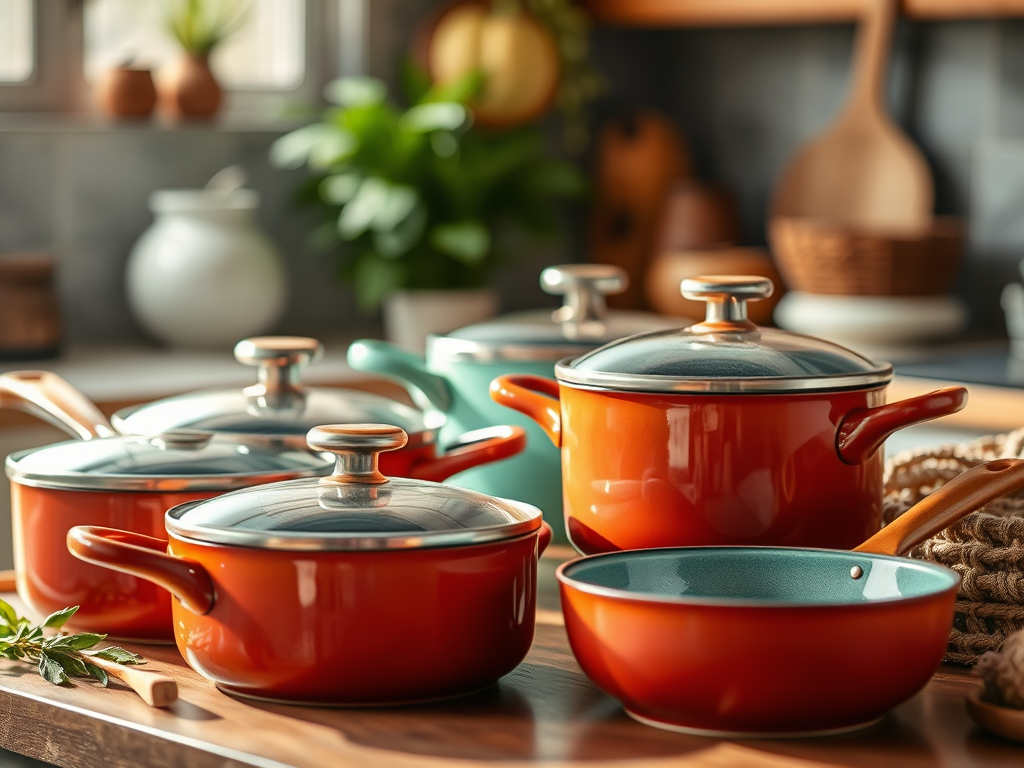
    Ceramic cookware is a naturally non-stick option free from PTFE, PFOA, and other questionable coatings. It’s easy to clean, safer for your family, and comes in beautiful, modern designs.

    We love Caraway Home, known for their gorgeous ceramic sets and commitment to toxin-free materials. You can browse their latest cookware here.


    Glass Cookware

    Glass bakeware, such as casserole dishes or measuring cups, is completely inert, meaning it won’t leach chemicals into your food. Though it’s primarily used for baking and storage, stovetop-safe glass options (like kettles) are available for those wanting to keep their kitchen toxin-free.


    Stoneware and 100% Ceramic

    Fully ceramic or stoneware cookware is another excellent alternative. We recommend Xtrema, known for their 100% ceramic, non-toxic cookware — perfect for baking, stovetop use, and even oven-to-table meals. Explore their cookware here.


    Final Thoughts: Our Family’s Journey Toward Healthier Cookware

    Choosing the right cookware is more than just a kitchen upgrade — it’s a reflection of your values, health priorities, and stewardship of God’s blessings. I won’t pretend it was easy for us — switching from Teflon was definitely a process, especially convincing my husband to say goodbye to his beloved non-stick pans! But once we made the commitment, it felt so good knowing our home was a little healthier and more aligned with how God designed us to live — with care, intention, and awareness.

    Whether you’re swapping Teflon for ceramic, experimenting with cast iron, or (like me) learning the rhythm of stainless steel cooking, every step matters. It’s all about progress, not perfection.

    We love recommending trusted, non-toxic brands like Our Place, aligned with our mission to support vibrant health, natural living, and faith-filled stewardship.

    Your kitchen should be a place of nourishment and peace, not hidden health hazards. By educating ourselves and making intentional swaps, we honor our bodies, our families, and the beautiful creation God designed for our good.