
Blog

  • Tracking your Steps?

    Tracking your Steps?

    Do you track your daily steps?

    I usually don’t, until recently I did—and let me tell you, I was astonished at the number staring back at me.

    Roughly 3,000 steps? At first, I thought, That can’t be right! I’m active. I chase after the kids, I work out, I stay busy all day. But the more I thought about it, the more it made sense.

    Like many of us, my routine is filled with quick errands, strength workouts, time in the kitchen, and caring for my family—but not much steady, intentional walking. Sure, I take periodic walks with the kids or the dog, but my focus lately has been more on strength training than on getting in actual steps.

    But here’s the reality: the recommended number of daily steps for optimal health is around 10,000 to 12,000 steps. Studies suggest that hitting this range consistently helps:

    ✔️ Improve cardiovascular health

    ✔️ Support metabolism and healthy weight management

    ✔️ Reduce the risk of chronic diseases like heart disease and diabetes

    ✔️ Enhance mental clarity and reduce stress

    It turns out, walking isn’t just about burning calories—it’s one of the simplest ways to settle your mind, organize your thoughts, and find peace in your day.

    We love the Apple Watch for tracking steps, which is the #1 best seller! #ad


    The Forgotten Power of Walking

    We often think being active means lifting weights, pushing ourselves with intense workouts, or running miles. And while those are great, God created walking as the original form of movement. Throughout scripture, walking represents more than just physical activity—it’s about our pace, our journey, our time to reflect.

    “And they heard the sound of the Lord God walking in the garden in the cool of the day…” Genesis 3:8

    Imagine that scene—the calm, quiet moments of walking, being present, breathing deeply. How often do we allow ourselves that space? For me, walking has always been one of those grounding activities. It helps me settle my thoughts, sort through the busy parts of life, and find that steady rhythm again.

    But seeing my daily step count made me realize how little of that peaceful, intentional movement I was actually doing.


    Why Steps Matter — Beyond Just the Number

    While 10,000 steps may sound arbitrary, research shows that walking this amount daily helps with:

    1. Heart Health — Regular walking lowers blood pressure and improves circulation.
    2. Longevity — According a Harvard study published in JAMA Network Open, walking 7,000 to 10,000 steps a day reduced risk of early death by up to 70%.
    3. Mental Health — Walking, especially outdoors, reduces anxiety, improves mood, and boosts creativity.
    4. Blood Sugar Balance — Post-meal walks help regulate blood sugar levels, crucial for energy and hormone health.

    Even better, walking doesn’t require equipment, gym memberships, or complicated routines. Just a good pair of shoes, a few intentional minutes, and your willingness to step outside. Bring along a water bottle. Our new favorite is the Owala. #ad


    Walking with Purpose — Body and Spirit

    Our health journey is not just about hitting step goals—it’s about aligning our bodies with peace, presence, and the care God calls us to.

    “The steps of a good man are ordered by the Lord, and He delights in his way.” – Psalm 37:23

    Walking isn’t just for fitness—it’s a spiritual reminder that each step, no matter how small, brings us closer to health, clarity, and connection with God.


    A Simple Challenge for You (And Me!)

    I’ve decided to be more intentional about walking. Even adding short walks after meals, around the neighborhood, or as quiet time to pray can make a huge difference.

    You don’t have to leap from 3,000 to 12,000 steps overnight. Start small:

    🚶‍♀️ Morning walks to wake up your body

    🚶‍♂️ Midday strolls to clear your mind

    🚶 Evening walks to unwind with family or reflect with God

    It’s progress, not perfection. Every step matters—physically and spiritually.

    So, I’ll ask you the same question I had to ask myself:

    How many steps are you really taking each day?

    Maybe it’s time to lace up, step out, and let both your body and your spirit be refreshed.

    Let’s walk this journey together—one step at a time.

    We love these shoes from Brooks available at a great deal! #ad

    But, How Much Should We Walk?

    Instead of focusing on hitting a perfect number, what if we simply focused on moving with purpose each day? Walking isn’t just about counting steps—it’s about showing up for your health, your mindset, and your body’s design. Whether you track 3,000 steps or 10,000, building the habit of daily movement can support hormone balance, heart health, emotional wellness, and spiritual clarity. I’ve started paying more attention to my own step count—not to obsess over it, but as a gentle challenge to stay accountable. I invite you to try it with me: track your steps, reflect on your progress, and walk with intention. #ad


    🌿 

    7-Day Step Tracker — Walk in Wellness Challenge

    Track your steps. Reflect on your journey. Let God guide your path.

    Instructions:

    Track your total daily steps for the next 7 days. You don’t have to be perfect—just notice your patterns, celebrate small wins, and invite God to walk with you each day.

    Suggested Starting Goal:

    • Beginner: 3,000-5,000 steps/day
    • Moderate: 6,000-8,000 steps/day
    • Thriving: 10,000+ steps/day

    “The steps of a good man are ordered by the Lord.” — Psalm 37:23


    Reflection Questions — Walking with Purpose

    Take a few quiet moments at the end of your 7-day tracker (or anytime) to reflect:

    How many steps did I average daily?

    Did I notice a difference in my mood, energy, or stress levels when I walked more?

    Did walking give me space to pray, reflect, or reconnect with God?

    How can I make walking a more intentional part of my routine?

    What does it mean to me that “The steps of a good man are ordered by the Lord”?


    🌸 Bonus Encouragement:

    Walking isn’t about perfection—it’s about progress. Even a short walk can be a reset for your mind, body, and spirit. Let’s step into wellness together—one day, one prayer, one peaceful walk at a time.
  • Top 7 Alkaline Foods for Detoxing

    Top 7 Alkaline Foods for Detoxing

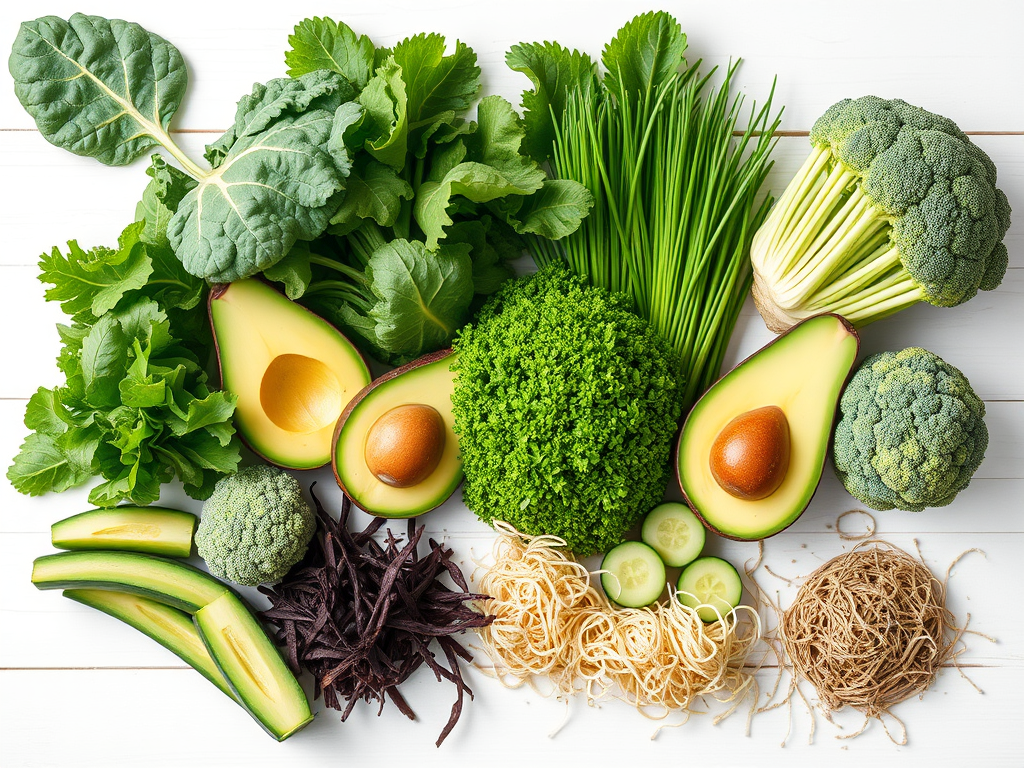
    1. Leafy Greens (Spinach, Kale, Collard Greens)
      • Add leafy greens to smoothies, salads, or sauté them with lean proteins and other vegetables. For example, a spinach and kale smoothie with avocado can be a delicious and nutritious breakfast or snack.
    2. Wheatgrass
      • Drink wheatgrass juice or add wheatgrass powder to your smoothies. It can be a refreshing and detoxifying addition to your daily routine.
    3. Avocados
      • Enjoy avocados as a creamy spread on sandwiches or toast, or blend them into guacamole for a nutritious dip. Avocado can also be incorporated into salads or stir-fries.
    4. Broccoli
      • Steam broccoli or add it to soups and stir-fries. It can also be enjoyed raw in salads or as part of a sliced vegetable platter.
    5. Seaweed (Kombu, Wakame, Nori)
      • Use seaweed as a wrap for wraps or sushi, or add it to soups and broths. Nori sheets can also be used to make healthy umami crackers.
    6. Cucumbers
      • Thinly slice cucumbers and add them to salads, or blend them into refreshing cucumber water or juice. They can also be finely chopped and added to sandwiches.
    7. Fiber-Rich Sprouts (Mung Beans, Alfalfa)
      • Include sprouts in your salads, sandwiches, or as a garnish. They can also be added to soups or eaten raw for a crispy texture.

    Daily Plan Example

    Breakfast:

    Lunch:

    • Salad with mixed leafy greens, avocados, and sprouts, topped with grilled chicken or tofu, and a vinaigrette made from olive oil and balsamic vinegar.
    • Nori sheets with a homemade hummus and a sprinkle of sesame seeds.

    Dinner:

    • Steamed broccoli and sautéed kale, served with a side of avocado and a seaweed wrap.
    • Cucumber salad with a drizzle of olive oil, lemon juice, and fresh herbs.

    By incorporating these alkaline foods into your daily diet, you can support your body’s natural detoxification processes and enhance overall health. Enjoy the journey towards vibrant health!


    Feel free to customize this plan based on your preferences and dietary needs.

  • Natural Insect Repellent

    Natural Insect Repellent

    Using natural insect repellants is a safer and more environmentally friendly option, as they are derived from plant-based ingredients that are generally less toxic and more gentle on both the skin and the ecosystem. These repellants, such as those containing aloe vera, citronella, eucalyptus, tea tree oil, and citrus, not only effectively deter pests but also offer additional health benefits and are kinder to the planet. Make your own or purchase one from Health Ranger Store.

    Essential Oil Blend Spray

    This effective and natural bug spray leverages the power of essential oils, making it a great choice for those looking to maintain personal health and wellness.

    Ingredients:

    Instructions:

    1. Combine all ingredients in a spray bottle.
    2. Shake well before each use.
    3. Spray on exposed skin and clothing as needed, avoiding the eyes and mouth.

    Apple Cider Vinegar Spray

    Apple cider vinegar has natural antifungal and antibacterial properties, making it a versatile ingredient for various household uses, including this homemade bug spray.

    Ingredients:

    Instructions:

    1. Combine apple cider vinegar and water in a spray bottle.
    2. Add 5 drops of your preferred essential oil.
    3. Shake well before each use.
    4. Spray on exposed skin and clothing, avoiding eyes and mouth.

    Simple herbal Mosquito Repellant

    Ingredients:

    Instructions:

    1. For a Spray Application:
      • In a small bowl, mix 4 tablespoons of vanilla extract with 12 drops of lavender essential oil and 4 drops of citronella essential oil.
      • Add 2 tablespoons of witch hazel to the mixture to help it spread more easily.
      • Pour the mixture into a spray bottle and shake well before each use.
      • Apply to exposed skin and clothing as needed.
    2. For a Direct Skin Application:
      • In a small bowl, mix 4 tablespoons of vanilla extract with 12 drops of lavender essential oil and 4 drops of citronella essential oil.
      • Add 2 tablespoons of fractionated coconut oil to the mixture. Coconut oil is known for its moisturizing properties and can help the mixture adhere better to the skin.
      • Transfer the mixture to a small container with a lid and shake well.
      • Apply the mixture directly to exposed skin as needed.

    Why These Ingredients Work Together

    • Vanilla Extract: Provides a pleasant scent and is believed to have natural insect-repelling properties.
    • Lavender Essential Oil: Known for its calming effects and strong mosquito-repelling properties due to compounds like eucalyptol, linalool, and limonene.
    • Citronella Essential Oil: Highly effective against mosquitoes and other flying insects.
    • Witch Hazel: Acts as a carrier and helps the mixture spread more smoothly.
    • Fractionated Coconut Oil: Acts as a carrier and moisturizes the skin, making the repellent more effective.

    Tips for Use

    • Storage: Store the mixture in a cool, dark place to preserve its effectiveness.
    • Application: Apply liberally to exposed skin and clothing, especially in areas with high mosquito activity.
    • Personalization: Adjust the number of drops of essential oils based on your preference and the strength you desire.

    This recipe combines the calming and natural properties of vanilla with the strong mosquito-repelling qualities of essential oils, providing a gentle yet effective solution for natural mosquito protection.

  • You and the Sun

    As more people become mindful of what they put on their skin and the environmental impact of chemical sunscreens, interest in natural alternatives to sun protection is growing. At the same time, there’s also curiosity about how to optimize sun exposure for vitamin D production.


    The Role of Sunscreen—and the Concerns

    Certain chemical sunscreens (such as those containing oxybenzone or octinoxate) have been linked to skin irritation, hormonal disruption, and marine ecosystem damage. For those seeking a more natural approach, safer and effective alternatives are available.


    1. Zinc Oxide (Non-Nano)

    • A physical blocker found in many natural sunscreens.
    • Reflects UVA and UVB rays without being absorbed into the bloodstream.
    • Look for formulations free of parabens, synthetic fragrances, and nano-particles.

    2. Coconut Oil & Shea Butter

    • Very low natural SPF (~5–7), not sufficient alone for prolonged sun exposure.
    • Better used as moisturizers after sun exposure.

    3. Protective Clothing and Shade

    • Wide-brim hats, long sleeves, and UV-blocking fabrics can be very effective.
    • Seeking shade during peak UV hours (10 a.m.–2 p.m.) is a smart habit.

    Note: These natural products should not be relied on for high-intensity sun exposure (e.g., midday beach days), but can be supportive for low-level sun exposure.


    Vitamin D

    ☀️ How Your Body Makes Vitamin D

    • When UVB rays hit your skin, they convert a cholesterol compound (7-dehydrocholesterol) into pre-vitamin D3, which is then converted to vitamin D3 over the next 48 hours.
    • This process occurs in the skin, and the compound needs to remain on the surface long enough to be absorbed into the bloodstream.
    • To optimize vitamin D production, aim for moderate sun exposure (10–30 minutes depending on skin tone and location), and wait at least 30–60 minutes before showering to maximize absorption.
    • When in doubt, consult a dermatologist—especially if you have fair skin, a history of skin cancer, or live in a high UV region.

    Your Skin, Naturally Protected

    Taking care of your skin doesn’t mean avoiding the sun entirely—it means being smart about your exposure and protection. By blending modern science with natural practices, you can support your health while minimizing risks.


    Key Sunscreen Chemicals

    1. Oxybenzone (Benzophenone-3)

    • What it does: Absorbs UVB and some UVA rays.
    • Concerns:
      • Hormone disruption: Acts like estrogen in the body; associated with reduced sperm count, altered thyroid function, and early puberty in some animal studies.
      • Skin absorption: Studies by the FDA show that oxybenzone can be detected in the blood at levels higher than what is considered safe, even after a single use.
      • Cancer link: While no human study has directly proven it causes cancer, its estrogen-like activity and oxidative stress may potentially raise long-term cancer risks.

    2. Octinoxate (Octyl Methoxycinnamate)

    • What it does: Absorbs UVB rays, used for preventing sunburn.
    • Concerns:
      • Found to disrupt the endocrine system in animal studies.
      • Linked to thyroid hormone changes and altered reproductive function.
      • Can generate free radicals under UV exposure, potentially damaging DNA.

    3. Homosalate

    • What it does: Absorbs UVB rays and helps sunscreen penetrate skin.
    • Concerns:
      • May accumulate in the body faster than it breaks down, increasing toxicity risk over time.
      • Shown to disrupt estrogen, androgen, and progesterone in lab studies.
      • Some studies suggest it enhances the absorption of other harmful chemicals.

    4. Avobenzone

    • What it does: Absorbs UVA rays (the kind that penetrate deep and cause aging).
    • Concerns:
      • Breaks down quickly in sunlight unless stabilized with other chemicals (which can be toxic).
      • When mixed with chlorine (e.g., in pools), it can degrade into potentially cancer-causing compounds like aromatic amines.

    How Could These Chemicals Contribute to Cancer?

    The link between these sunscreen ingredients and cancer is based on potential mechanisms like:

    1. Hormonal Disruption

    • Hormone-disrupting chemicals can interfere with estrogen, testosterone, and thyroid hormones, all of which play key roles in regulating cell growth and immune function.
    • Chronic hormone disruption is a known risk factor for hormone-sensitive cancers like breast, prostate, and thyroid cancer.

    2. Oxidative Stress

    • Some sunscreen chemicals can generate free radicals when exposed to sunlight, which can damage DNA and cell structures—a hallmark of cancer development.

    3. Systemic Absorption

    • The FDA has confirmed that some sunscreen chemicals are absorbed into the bloodstream, sometimes in concentrations exceeding safety thresholds, without clear understanding of long-term effects.
    • Chronic systemic exposure raises concern about cumulative toxic effects.

    Bottom Line

    • Some ingredients in chemical sunscreens raise significant red flags, especially with frequent, long-term use.
    • Safer choices include mineral sunscreens, protective clothing, and limiting sun exposure during peak hours.
    • Always read labels, opt for broad-spectrum protection with clean ingredients, and consider consulting a dermatologist for personalized guidance.

    Do Sunglasses Trick Your Body and Contribute to Sunburn?

    This idea comes from the concept that your eyes help regulate your body’s response to sunlight—particularly through melanocyte-stimulating hormone (MSH) and other light-sensitive pathways in the brain.

    The Theory:

    • When sunlight enters your eyes, it triggers a cascade in the hypothalamus that alerts your body to produce melanin, your natural sun protection pigment.
    • Wearing sunglasses blocks visible light, particularly blue light, which may:
      • Reduce the signal to the brain that the body is in bright sunlight.
      • Delay or suppress the skin’s natural preparation for UV exposure (e.g., tanning or melanin production).
      • Make your skin more prone to burning instead of tanning, because the body is “tricked” into thinking it’s in the shade.

    What Does the Research Say?

    • The idea is supported by what we know about photoreception and light-induced hormone regulation:
      • Sunlight stimulates MSH, which promotes melanin production.
      • Melatonin levels, which are tied to circadian rhythm, are influenced by sunlight exposure to the eyes.
    • Blocking light may disrupt the body’s ability to synchronize with its environment, including UV readiness.

    If you’re outside for long periods, gradual sun exposure and natural light in the early day (without sunglasses for a short time) may help regulate melanin without risking eye health.


    Does Consuming Seed Oils Make You More Likely to Burn?

    Most common seed oils—such as canola, soybean, corn, sunflower, cottonseed, and grapeseed oil—are high in omega-6 polyunsaturated fatty acids (PUFAs), particularly linoleic acid. These fats are:

    • Highly unstable and prone to oxidation, especially when exposed to heat, light, and oxygen.
    • Stored in your skin and cell membranes if consumed regularly.

    How Seed Oils May Promote Sunburn:

    • When UV light hits your skin, it creates oxidative stress.
    • If your skin contains a high concentration of omega-6 fats, these fats can oxidize more readily, creating inflammatory byproducts (like lipid peroxides).
    • This makes your skin more prone to inflammation, damage, and sunburn.

    Supporting Research:

    • Studies show that a high omega-6 to omega-3 ratio is linked to increased inflammation and skin damage.
    • A 2001 study found that diets high in omega-3s (from fish oil) made skin less sensitive to UV radiation.
    • Excessive linoleic acid in the diet has been shown to impair skin barrier function and promote inflammatory responses.

    What to Do Instead:

    • Reduce seed oils in cooking and processed foods.
    • Focus on stable, natural fats: coconut oil, olive oil, butter, ghee, tallow.
    • Increase omega-3 fatty acids: wild-caught fish, flaxseed, algae oil.
    • Consume antioxidant-rich foods (vitamin C, E, polyphenols) to buffer UV stress.
    • Use coconut oil, olive oil, or avocado oil

    Summary

    FactorEffect on Sunburn Risk
    Wearing sunglassesMay block UV-signaling through the eyes, reducing melanin response and natural skin protection
    High seed oil intakeIncreases oxidative stress in the skin, making it more prone to UV damage and inflammation
    Best practicesGet morning sunlight without sunglasses; reduce seed oils and increase antioxidant/omega-3 intake

  • Cooking Methods

    Cooking Methods

    Steaming

    Why it’s great:
    Steaming uses minimal water and no added fat, preserving water-soluble vitamins like vitamin C, B vitamins, and antioxidants. It’s especially good for vegetables like broccoli, spinach, and carrots.


    Sautéing/Stir-Frying (with healthy oils)

    Why it’s great:
    Quick cooking with a little healthy fat (like coconut oil, olive oil, or avocado oil) can actually enhance the absorption of fat-soluble vitamins (A, D, E, K). Just keep the heat moderate to avoid breaking down nutrients.


    Slow Cooking / Crockpot

    Why it’s great:
    Low and slow keeps nutrients intact and allows flavors to blend beautifully. Great for soups, stews, and bone broths, where minerals and collagen are released into the liquid.


    Roasting/Baking

    Why it’s great:
    Roasting preserves most nutrients and brings out natural flavors without needing lots of added fats. Just be mindful not to overcook or char, which can degrade certain vitamins.


    Boiling (with intention)

    Why it’s “sometimes okay”:
    Boiling can leach nutrients into the water, but if you’re making soups or stews where you consume the liquid too, it’s still nutritious. Otherwise, stick with steaming for veggies.


    ❌ Least Nutritious Methods

    • Deep frying: High temps + unhealthy oils = nutrient loss and added toxins.
    • Charring or burning: Can create harmful compounds and destroy sensitive nutrients.
  • Pantry Goods

    Pantry Goods

    When it comes to nourishing our bodies with intention, we choose foods that reflect the goodness of God’s creation — clean, pure, and full of life. That’s why we trust Health Ranger Store, Azure Standard, Thrive Market, and Wildly Organic. These amazing sources provide non-GMO, organic, and nutrient-rich foods that support vibrant health and align with our values.

    Health Ranger Store, based in the USA, provides honest, competitively priced health-related products. They offer a variety of pantry items, superfoods, preparedness items, supplements and more.

    Azure Standard connects us to farm-fresh, bulk, and specialty items from a like-minded community. Thrive Market makes healthy living convenient and affordable, delivering trusted brands straight to our doorstep. And Wildly Organic brings us high-quality, minimally processed oils, snacks, and pantry staples that make clean eating a joy. With these resources, nourishing your body becomes an act of faith, stewardship, and self-care that you can truly feel good about.

  • Supplements

    Supplements

    At Abide & Thrive, we believe in fueling our bodies the way God intended — with wisdom from the past and nourishment for the future. That’s why we trust Health Ranger Store. Their supplements are rooted in time-tested traditions, using whole food ingredients that support the body from the inside out.

    Whether it’s boosting your gut health, supporting your immune system, balancing hormones, or simply filling in nutritional gaps, Health Ranger Store offers clean, effective solutions that work with your body — not against it. With ingredients like collagen, adaptogens, fermented herbs, and essential nutrients, these supplements are a daily reminder that God has already provided everything we need through His creation.

    Taking care of your health is an act of stewardship — and Health Ranger helps make that easier, naturally.

  • Non-toxic Laundry

    Non-toxic Laundry

    Key reasons why using non-toxic laundry soap from Faith Farms is important, both for personal health and the environment:


    Better for Your Skin

    Conventional detergents often contain harsh chemicals, synthetic fragrances, and dyes that can irritate the skin, especially for those with eczema, psoriasis, or sensitive skin.
    Non-toxic detergents are free from these irritants, making them gentler on your body and safer for babies and people with allergies.


    Safer for Your Lungs

    Many regular detergents release volatile organic compounds (VOCs) that can affect indoor air quality and respiratory health.
    Non-toxic alternatives usually avoid artificial scents and chemical residues that can aggravate asthma or cause headaches.


    Kinder to the Environment

    When you rinse your clothes, that soapy water goes back into the water system. Toxic detergents can pollute rivers, lakes, and oceans, harming wildlife and aquatic ecosystems.
    Eco-friendly detergents are biodegradable and often come in sustainable packaging.


    No Build-Up on Clothes or Washers

    Harsh soaps can leave a chemical residue on your clothes, which can irritate the skin and affect how your clothes feel and smell.
    Non-toxic laundry soap rinses clean, keeping your fabrics soft and your washer free from gunky buildup.


    Safer for Babies and Pets

    Young children and pets are more vulnerable to toxins, both through skin contact and accidental exposure.
    Using non-toxic detergent helps you create a safer home environment for your little ones (furry or human!).


    Supports Ethical Brands

    Many non-toxic laundry soap brands such as Faith Farms (especially faith-based or small businesses) prioritize ethical sourcing, cruelty-free testing, and fair labor practices.
    Choosing them means you’re putting your money toward values that align with health, sustainability, and integrity.

  • Natural Cleaning Recipes

    Natural Home Cleaning Cheat Sheet

    1. All-Purpose Cleaner

    1 cup white vinegar

    1 cup water

    10-15 drops essential oil (lemon, lavender, or tea tree)
    Mix in spray bottle. Shake before use. Not for stone surfaces.

    2.Citrus Degreaser Spray

    Peels from 2-3 lemons or oranges

    1.5-2 cups white vinegar
    (Optional: dilute 1:1 with water after steeping)
    Soak peels in vinegar for 1-2 weeks, strain, and use in spray bottle.

    3. Glass + Mirror Cleaner

    1 cup water

    1 cup white vinegar

    1 tbsp rubbing alcohol

    3-5 drops essential oil (optional)
    Spray on glass and wipe with a microfiber cloth.

    4. Soft Scrub for Tubs & Sinks

    1 cup baking soda

    ¼ cup castile soap

    1 tbsp water

    10 drops tea tree oil
    Mix to a paste, scrub surfaces, and rinse well.

    5. Carpet & Upholstery Deodorizer

    1 cup baking soda

    15 drops essential oil
    Mix, sprinkle, let sit 15-30 minutes, then vacuum.

  • Hair Care

    Hair Care

    Sulfates (like sodium lauryl sulfate or sodium laureth sulfate) are cleansing agents commonly found in shampoos, and they can be problematic for hair follicles and overall hair health for several reasons.

    Sulfates are strong detergents that remove sebum, the natural oil your scalp produces. While some oil removal is good, over-stripping can dry out your scalp and hair, leading to brittle hair, dry or irritated scalp, increased risk of hair breakage.

    Sulfates can cause scalp inflammation or irritation, especially if you have sensitive skin or conditions like eczema or psoriasis. This irritation can affect the health of the hair follicles over time, potentially leading to redness, itchiness, and follicle inflammation.

    If your scalp is consistently dry and irritated, or your hair is consistently stripped of moisture, it can weaken hair follicles. That might contribute to slower hair growth, thinning hair, premature shedding.

    Sulfates can be particularly harsh on Color-treated hair, as they strip color faster and curly/coily hair, which is already more prone to dryness. If you have dry, curly, or color-treated hair sensitive scalp, or concerns about hair thinning or loss… then using sulfate-free shampoos from Health Ranger Store might be a better option.

    Natural hair shampoo can offer several benefits compared to shampoos containing harsh chemicals. Natural hair shampoos are typically made with plant-based ingredients that are gentle on the scalp and hair, reducing the risk of irritation and dryness. These shampoos often contain nourishing ingredients such as essential oils, vitamins, and antioxidants that can help promote healthy hair growth and strengthen the hair follicles. Additionally, natural hair shampoos are free from sulfates, parabens, and other harmful chemicals that can strip away natural oils and damage the hair over time. Overall, using natural hair shampoo can help maintain the health and vitality of your hair while being environmentally friendly.